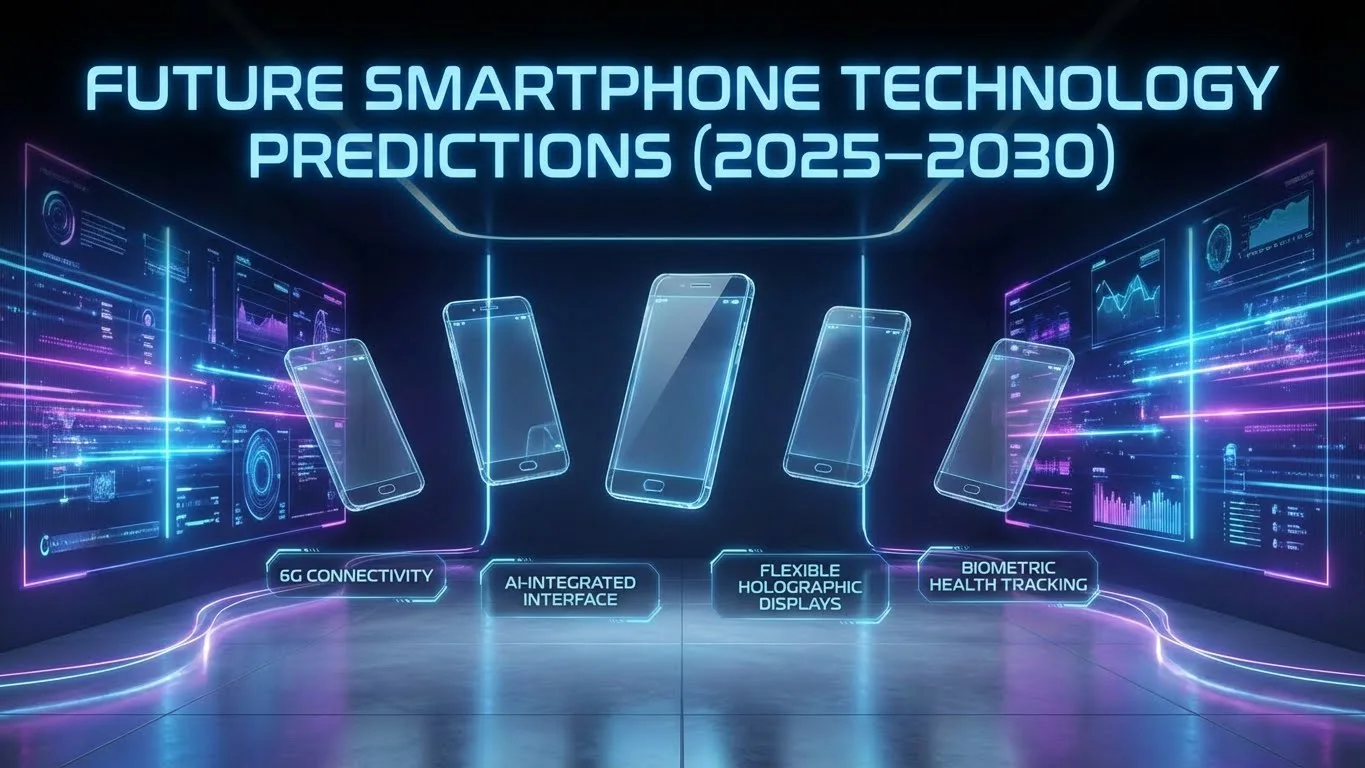
Smartphones have already become the core of modern life, but the next 5 years (2025–2030) will bring the biggest revolution in phone technology ever seen. AI advancements, foldable innovations, satellite communication, and ultra-fast processors will completely change how we use our phones.
In this in-depth guide, we explore what the smartphone industry will look like in the next five years, which technologies will dominate, and how your daily phone experience will transform.
1. AI Will Become the Real Operating System of Smartphones
AI is no longer just a feature — it is becoming the core engine inside phones.
How AI will change smartphones by 2030
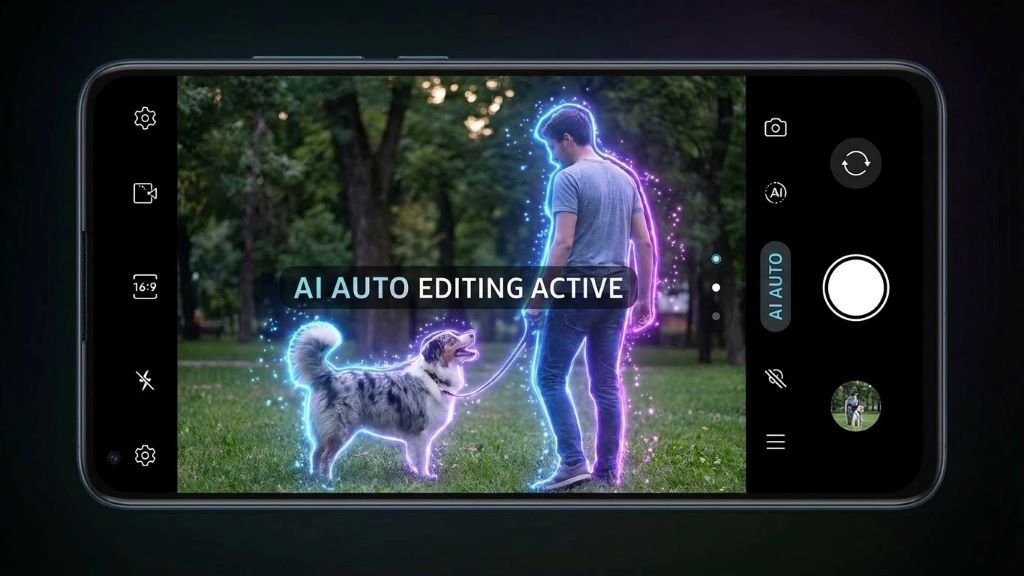
✓ Real-time AI Photo & Video Editing
No more apps. AI inside your phone will:
- Remove objects from videos instantly
- Change backgrounds in real-time
- Auto-level lighting and color
- Enhance low-light faces
- Convert video to slow-motion using AI frame generation
✓ AI-powered Personal Assistants (10X more advanced than Siri/Google Assistant)
Your phone will:
- Predict your daily habits
- Speak in natural human tone
- Generate email/text replies
- Summarize calls and meetings
- Understand your emotions via voice tone
✓ Offline AI Model in Phones
Thanks to stronger NPUs, phones will run AI without internet, protecting privacy.
2. Foldable, Rollable & Stretchable Displays Will Become Mainstream
The next five years will introduce three types of futuristic screens:
✓ Foldables (Already Growing Fast)
By 2030, foldables will become as common as normal phones.
✓ Rollable Displays
Phone expands upward like a scroll → from 6-inch to 8-inch automatically.
✓ Stretchable Displays
Samsung, LG & Oppo are already testing elastic screens that expand in all directions.
Benefits:
- Bigger screen when needed
- Smaller in pocket
- Flexible & more durable
3. 6G Connectivity Will Be the Biggest Game-Changer
6G will start rolling out by 2028 and bring unbelievable speed improvements.
Expected 6G Speeds
- Up to 100–500 Gbps download
- Near-zero latency
- Perfect for VR, AR, holograms, remote surgery, cloud gaming
What 6G Will Enable
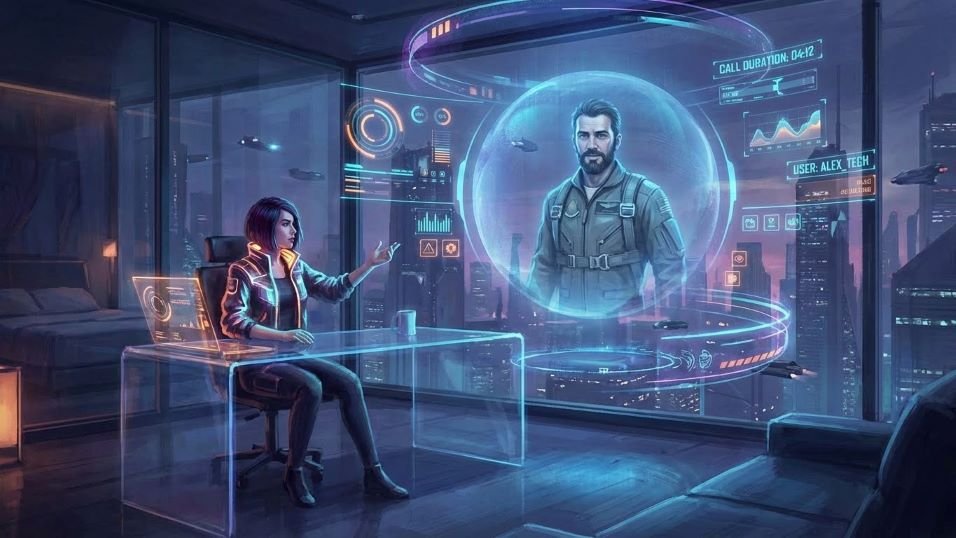
- Real holographic calls
- Full VR meetings
- Cloud smartphones (hardware in the cloud, display in your hand)
- Instant language translation
4. Satellite Connectivity Will Be Standard
Smartphones will not need mobile towers in the future — they will connect directly to satellites.
Future Capabilities
- Emergency SOS without a SIM
- Worldwide signal anywhere
- Direct satellite internet on phones
- Two-way communication during disasters
Apple, Samsung, Huawei, and Google are all working on satellite networks.
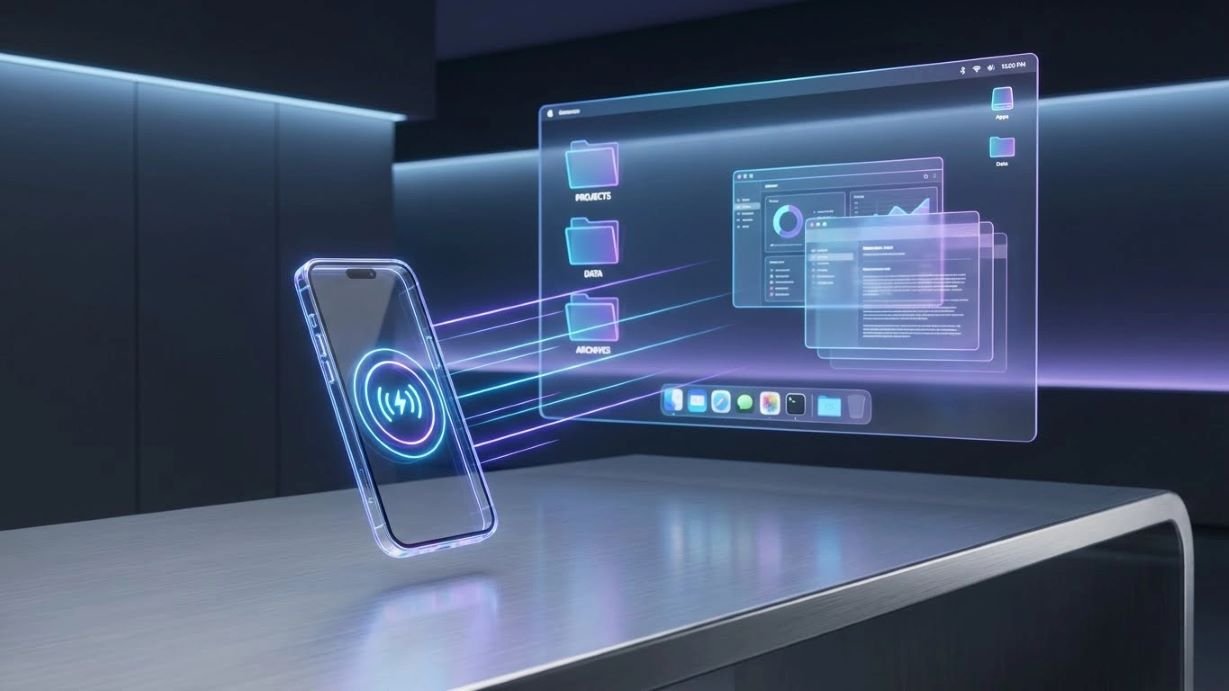
5. Phones Will Replace Laptops With Desktop Mode Evolution
Already Samsung DeX and Motorola Ready For exist — but in the next 5 years:
You will plug your phone into a TV or monitor → It becomes a full PC.
Expected improvements:
- Faster desktop interfaces
- Mac/Windows-like performance
- Professional video editing + coding possible
- Multi-screen wireless connection
6. Battery Technology Will Dramatically Improve
Battery is one of the biggest pain points today — but not for long.
Future Battery Technologies
✓ Graphene Batteries
- Charge from 0–100% in 5–10 minutes
- Last for 3–4 years
- Lower heating
✓ Solid-State Batteries
- Safer, more stable
- Higher energy density
- Smaller size but more capacity
✓ Solar-Assisted Charging
Phones will charge partially by sunlight and indoor light.
✓ Wireless Air Charging
Multiple companies already testing room-wide wireless charging.

7. Camera Technology Will Reach DSLR Level
Smartphone cameras will become AI DSLR hybrids.
What to expect:
- 1-inch sensors becoming common
- Continuous optical zoom (without lens bump)
- AI sensor fusion (combining multiple lenses into one super image)
- 8K video recording as standard
- Night video clarity equal to daytime
The biggest upgrade?
Computational photography 10× more advanced than today.
8. Biometric Security Upgrades
Phones will move beyond fingerprint and face ID.
Upcoming Features:
- Under-display full-screen fingerprint (any part of the screen unlocks phone)
- Palm vein scanning
- Heartbeat pattern recognition
- Voice emotion identification
Security becomes smarter, invisible, and extremely accurate.
9. Phones Will Become Ultra Durable
Within 5 years, phones will become almost unbreakable.
Expected durability improvements:
- Scratch-proof diamond-like coating
- Self-healing back panels
- Water resistance up to 50–100m depth
- Shock-proof internal components

10. Cloud-Based Smartphones (The Future of Hardware)
By 2030, hardware inside phones will shrink because most processing will happen on cloud servers.
Benefits:
- Even budget phones will run high-end apps
- Unlimited online storage
- Apps open instantly
- Zero-lag gaming on cloud
This will be the biggest shift in smartphone architecture.
11. Hologram & AR Glass Integration
Smartphones will pair with AR glasses and project:
- Hologram movies
- 3D maps
- Floating notifications
- Virtual keyboards
Some companies plan phone-free AR devices, where glasses become the new smartphone.

Conclusion: The Next 5 Years Will Transform Smartphones Completely
The smartphone of 2030 will look nothing like today’s phones. With AI dominance, folding screens, 6G connectivity, satellite features, and cloud-based designs, smartphones will become far more powerful, flexible, and intelligent.
The future smartphone will be:
- Your AI assistant
- Your laptop
- Your camera
- Your satellite communicator
- Your hologram projector
- Your entertainment hub
We are entering the most exciting era in mobile technology.











2 thoughts on “How Technology Will Evolve for Smartphones in the Next 5 Years (2025–2030 Future Prediction)”